
Why Restaurants Are Losing Money While Delivery Apps Get Rich: A Breakdown Every Venue Should See
Let’s start with something that’s rarely said out loud. Restaurants aren’t just squeezed by rising food costs, unpredictable labour, rent, or the usual overheads. They’re also being pushed into a corner by the very delivery platforms that were meant to help them grow. And here’s the twist. Platforms often make more money on an order than the restaurant that cooked the meal.
It sounds absurd until you look closely.
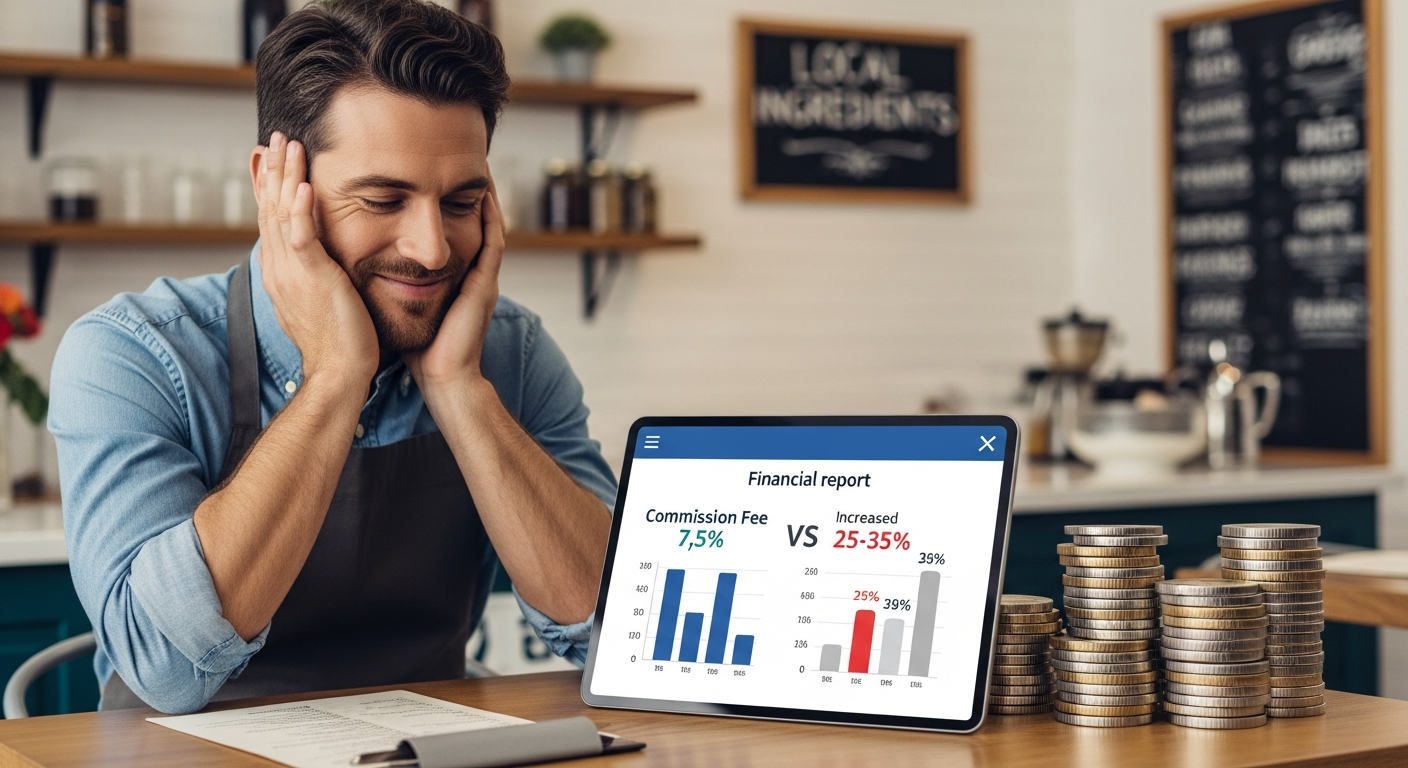
At the beginning of this conversation, many restaurant owners ask the same question. Why do restaurants and takeaways prefer to accept orders with Quikin.vip? The answer usually comes down to something simple. We only charge a 7.5% commission on orders and don’t add any hidden charges, such as equipment rental, service fees, or fees for withdrawing their own funds. When people hear that, they pause because they’re used to the opposite.
Let’s walk through it.
The Numbers Restaurants Don’t See Until It’s Too Late
Picture a traditional delivery order. A restaurant sells a meal for twenty pounds. Seems straightforward. But the moment that order lands through a big platform, the maths becomes something else entirely.
A typical commission sits somewhere between twenty-five and thirty five percent. Add VAT. Add compulsory marketing fees. Add the sneaky add-ons, the ones buried in pages of terms that nobody reads. Before the food has even left the kitchen, the restaurant is already losing money on its margin.
Now consider the actual cost of making that meal. Fresh ingredients have climbed in price. Labour costs are rising too. Utilities? Never going down. By the time the order is ready for the courier, the venue has already spent a good portion of that twenty pounds just to cook it.
This is where reality hits. After food and labour, many restaurants keep less per order than the delivery app does. And the platform never chopped an onion or washed a pan.
The Real Reason Delivery Apps Get Rich While Restaurants Struggle
Delivery platforms aren’t built around food. They’re built around fees. And those fees are designed to scale faster than the restaurant’s profit ever could.
Here’s what really happens behind the scenes.
1. The platform takes its commission before you see a penny
Restaurants carry the cost of ingredients. They carry the cost of labour. The platform carries zero risk and still takes the first bite.
2. Customers are charged separate service fees
Yet these fees don’t go to the restaurant. They’re pocketed by the platform, even though the restaurant is the one producing the actual product.
3. There’s a fee for almost everything
Small order fees. Admin fees. Equipment rental. Payout fees. It’s as if someone sat down and asked, “What else can we charge for?”
4. The restaurant becomes dependent
Once a venue appears on a major platform, customers expect to see it there. Leaving feels dangerous. So restaurants stay, even when the numbers tell them they’re losing money.
Why This System Was Always Going to Break
Restaurants operate on some of the thinnest margins in any industry. Delivery platforms operate on some of the thickest. It’s obvious which side benefits from this relationship.
And let’s be honest. Venues don’t want special treatment. They want fair treatment. They want a system where the one cooking the food doesn’t earn less than the one processing the transaction, a system where transparency isn’t a luxury but the bare minimum.
This isn’t about attacking technology. It’s about asking why the people doing the hardest part of the work are often the last to be paid fairly for it.
A More Honest Future for Delivery
No restaurant expects perfection. They just want to keep more of what they earn. That’s the beginning and end of it.
When you strip away the noise, the pattern becomes clear. Delivery platforms have built a model that guarantees their profit, not the restaurant’s. But venues have options now. Better ones. Ones that don’t rely on hidden charges or clever fee structures.
If the industry is going to survive the next decade, it needs solutions that keep independent kitchens alive, not ones that drain them with every order.
And that’s a future worth betting on.