

Why Fair Pricing Models Are the Future of Event Management
Let’s be honest. People are tired of paying more than they expected. Whether it’s booking tickets for a night out, reserving a table for brunch, or ordering food online, the pattern feels familiar: you see one price, but by the time you check out, it’s a different story.
That small moment of frustration has become normal, but it shouldn’t be. That’s exactly what Quikin.vip set out to change, by offering a transparent, fair pricing model that doesn’t charge admin side fees and keeps costs clear for both venues and customers.
And that small difference is what’s reshaping the entire event management industry.
What Exactly Is a Fair Pricing Model?
Let’s start with the basics.
A fair pricing model means both sides, businesses and customers, know exactly what they’re paying for. There are no hidden add-ons, vague service charges, or surprise delivery costs.
In simple terms, it’s pricing that respects your intelligence.
For example, imagine you’re booking a table at London Gymkhana or heading to Ballie Ballerson for a disco in London. When you confirm your reservation or order, you see exactly what you’ll pay, and that’s it. No mystery charges, no “service adjustments,” no sudden totals that leave you wondering what just happened.
Fair pricing is about trust, and trust builds loyalty faster than any discount ever could.
Why Hidden Fees Damage Event Experiences
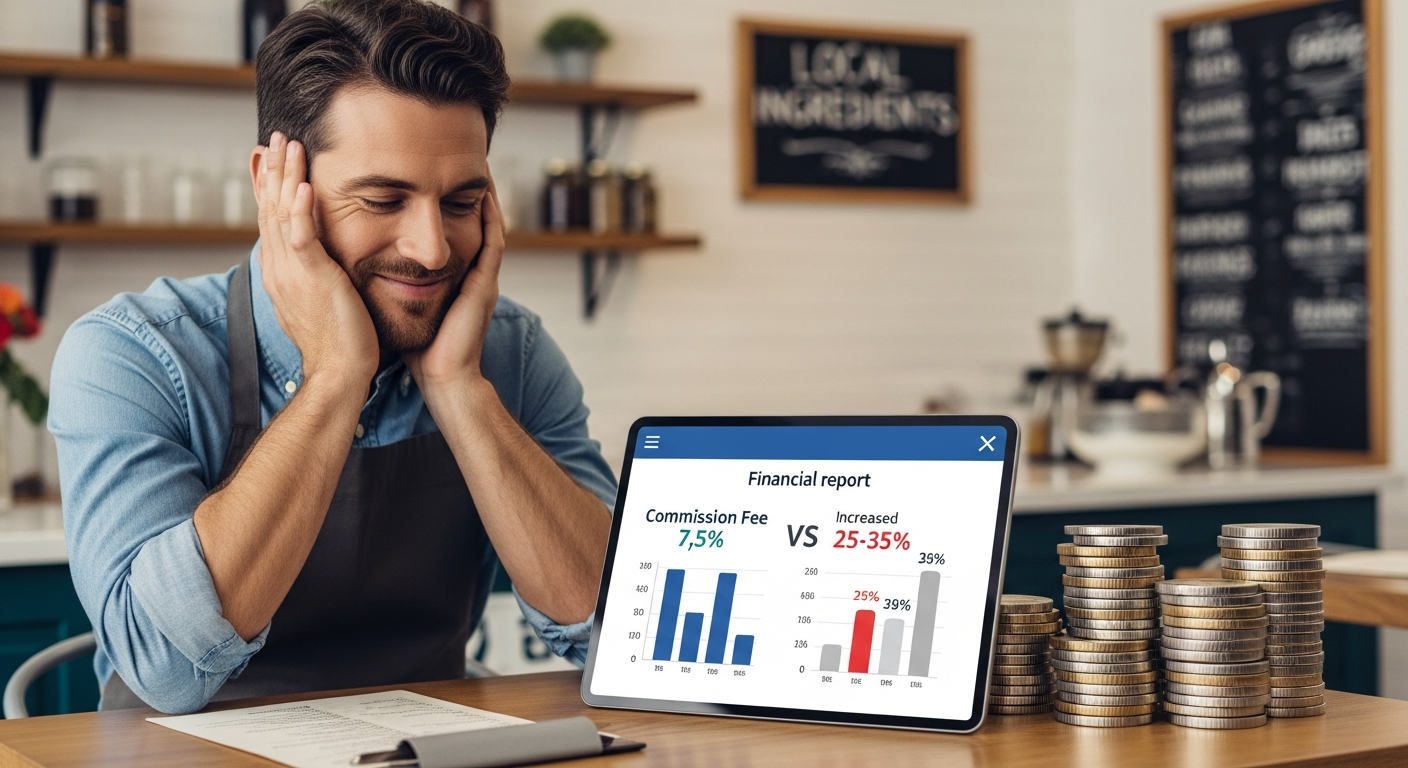
Have you ever tried to book tickets to a live event or order from your favourite take away place, only to realise the final total jumped by 15% because of convenience or handling fees?
That’s the silent tax of modern hospitality apps.
Here’s what actually happens:
Event platforms and delivery services add layers of commissions.
Customers pay more.
Venues earn less.
And everyone leaves feeling shortchanged.
Over time, this creates a cycle of mistrust. Venues start marking up prices to protect margins. Customers start shopping for “deals” instead of experiences. And the whole industry feels transactional instead of enjoyable.
Why Transparency Wins in Hospitality
In cities like London, where every night offers something unique, from bars in Soho to brunches in Covent Garden dining spots, or even a pint at the Holly Bush Pub Hampstead, the best venues have one thing in common: clarity.
When people know what they’re getting, they’re more likely to try something new.
When they feel respected, they’re more likely to return.
Fair pricing brings that sense of security back. It allows customers to enjoy the experience, whether it’s a glass of wine at The Prospect of Whitby London or a hearty breakfast at Toby Carvery near me, without worrying about the bill creeping up behind the scenes.
Transparency, in the end, is what separates trusted brands from forgettable ones.
How Fair Pricing Benefits Everyone
Here’s the part most event managers overlook: fair pricing isn’t just good for customers. It’s good for business too.
1. Venues Build Stronger Loyalty
When guests trust your prices, they stop price-shopping. They pick your event, your restaurant, or your club because they know you’re fair. That’s long-term loyalty.
2. Customers Feel in Control
Imagine you’re choosing between two platforms to book a night out at The Standard London or a weekend stay at hotels in London. One shows a clear, all-inclusive price. The other adds a surprise fee at checkout.
Which would you pick?
3. Brand Reputation Grows Naturally
Fair pricing acts like a magnet for positive reviews. People love sharing honest, reliable recommendations, especially when they feel they’ve been treated well.
4. Event Managers Save Time and Money
No more dealing with customer complaints about unclear fees or refund disputes. Transparency reduces friction, and happier customers mean less customer service drama.
Common Questions: Let’s Clear Things Up
1. Why do most event platforms add extra fees?
It’s how many platforms make their profit, through service or delivery-side markups. But that model often backfires because it creates a disconnect between the venue’s actual price and what the customer ends up paying.
2. Can venues afford fair pricing?
Absolutely. In fact, fair pricing improves volume. When people feel confident in your pricing, they book more often, whether it’s fast food, a steak house dinner, or wine bar drinks.
3. Does fair pricing mean lower quality?
Not at all. Fair doesn’t mean cheap. It means honest. It’s about delivering the same high-quality experience, but without unnecessary add-ons.
4. Will fair pricing affect customer loyalty?
Positively. Studies across retail and hospitality show that clear, predictable pricing drives repeat visits and higher satisfaction. People come back not just for what they bought, but for how they were treated.
The Cultural Shift in Event Management
London’s event and dining scene is evolving. The pandemic reset expectations, digital tools made everything faster, and now fairness is the new currency.
You can see it everywhere, from breakfast places near me adopting no-tip policies to McDonald’s menu options becoming more transparent about value. The message is clear: customers expect simplicity and honesty.
Event managers who cling to outdated fee structures will struggle to build community. Those who embrace fairness will thrive, because they’ll earn something far more powerful than sales… trust.
The Takeaway
Fair pricing isn’t just a financial decision, it’s a philosophy.
It’s about putting experience before exploitation, clarity before confusion, and respect before revenue.
As nightlife, dining, and hospitality in London continue to evolve, one thing is certain: fair pricing is the future that smart venues are already embracing.
Because in the end, people don’t remember the few extra pounds they spent. They remember how you made them feel, and nothing feels better than being treated fairly.