
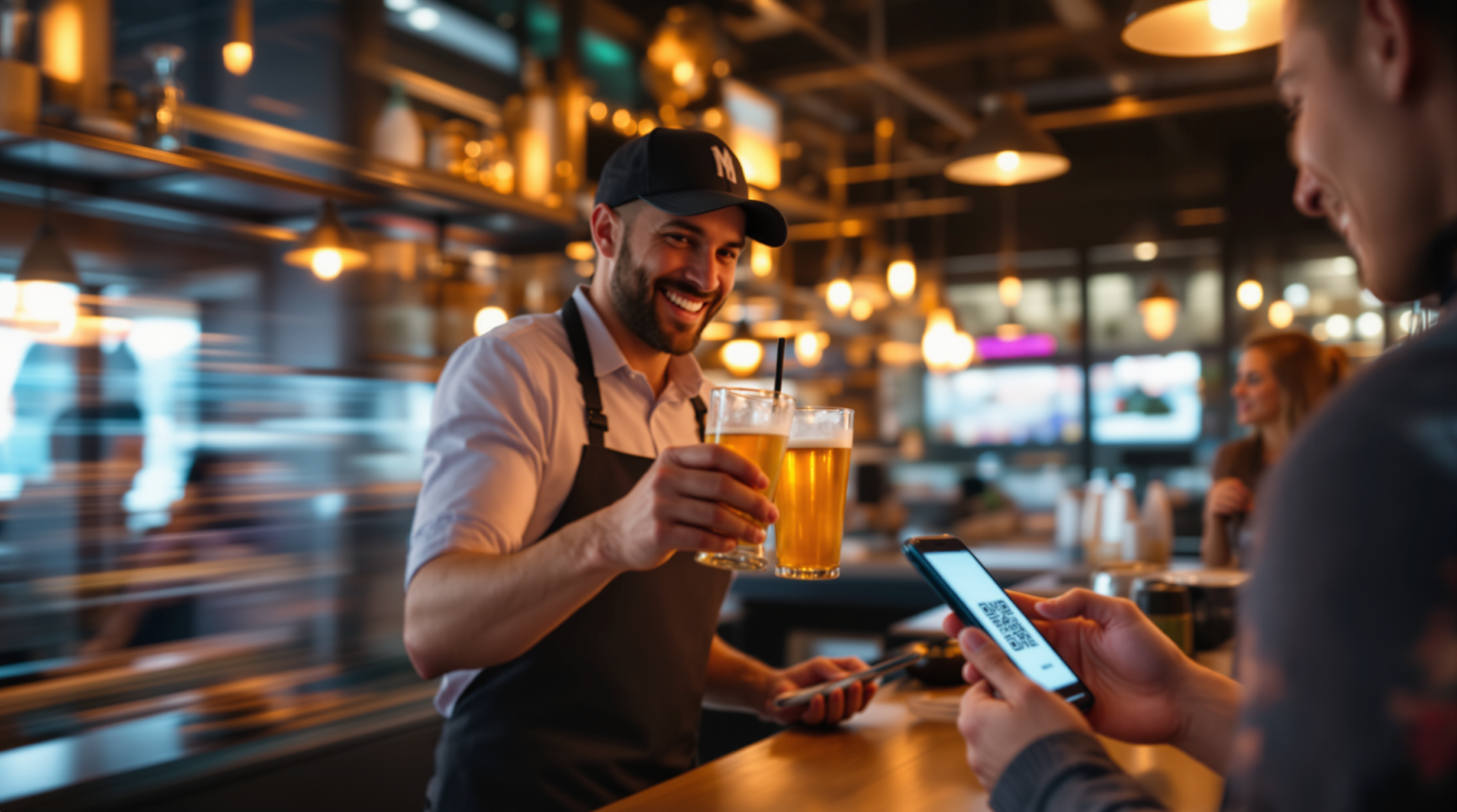
Fast Service, Lasting Loyalty: Why Speed Matters More Than Ever in Hospitality
If there’s one thing that can make or break a customer’s experience in a restaurant, bar, or café, it’s speed. You can pour your heart into perfect recipes and create an atmosphere that feels like home, but if people are left waiting too long, their patience fades. And when patience fades, loyalty often goes with it.
That’s where modern tools like quikin.vip step in, helping venues keep pace with today’s expectations. But let’s go beyond the tech for a moment. Why is fast service such a powerful driver of customer loyalty in hospitality? And how can venues balance speed without losing the warmth and personal touch guests love?
Why Speed of Service Shapes Guest Experience
Every visit to a pub, café, or restaurant begins with an unspoken question in the guest’s mind: Will this be smooth or stressful?
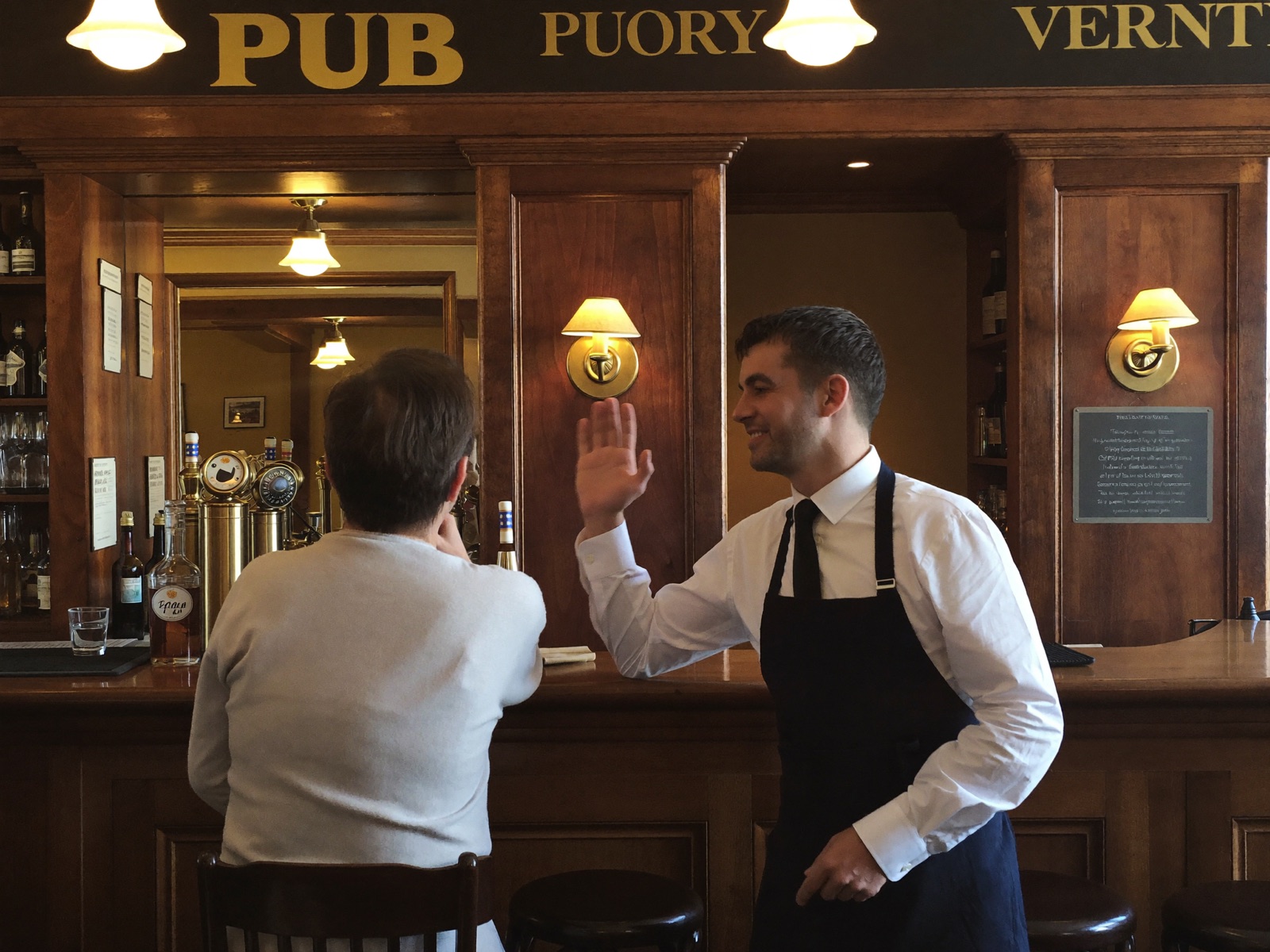
Quick service reassures. Fast acknowledgement, whether it’s a greeting, taking an order, or delivering the first drink, signals that the guest is seen and valued.
Slow service frustrates. Long waits leave guests restless, sometimes even before they’ve tasted the food. And that feeling lingers long after the bill is paid.
The truth is, the hospitality experience isn’t judged only by taste. It’s judged by time.
The Loyalty Link: Guests Remember the Wait
Studies consistently show that poor service speed is one of the biggest reasons customers don’t return. Think about it, how many times have you said, “The food was good, but service was too slow”? Chances are, you didn’t go back.
Fast service, on the other hand, does more than satisfy. It creates:
Positive memories: Guests associate your venue with ease and efficiency.
Word of mouth marketing: Happy guests share their experience with friends or online reviews.
Repeat visits: A quick, seamless service makes it easy to choose your venue again.
In simple terms: speed builds trust, and trust fuels loyalty.
The Revenue Side of Speed
Hospitality businesses aren’t just competing on taste, they’re competing on time. Here’s how faster service impacts the bottom line:
More transactions per shift – A table that turns over smoothly means more customers served in peak hours.
Increased average spend – Faster drink service in pubs or bars often leads to second or third rounds, boosting revenue.
Reduced walkaways – Long queues at cafes or delays in restaurants can cost sales. Quick service keeps customers engaged.
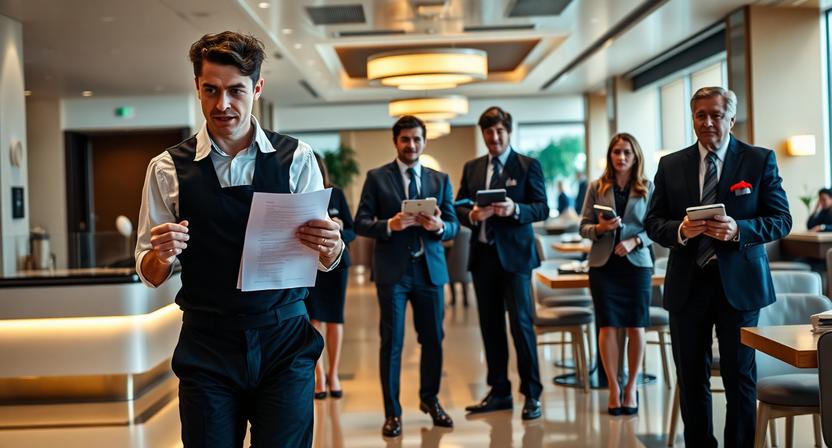
Staff efficiency – Streamlined processes ease the pressure on staff, improving morale and productivity.
It’s not just about guest satisfaction; it’s a practical growth strategy.
Technology as the Silent Partner in Speed
Hospitality has always been human-first, but technology is increasingly the invisible partner that makes service flow. Consider how digital ordering is reshaping the industry:
Mobile menus and QR codes: Guests order directly from their phones, cutting down wait times.
Queue management solutions: No more clustering at the bar, orders are processed in sequence, fairly and efficiently.
Real-time notifications: Guests know exactly when their food or drinks are ready, eliminating uncertainty.
What’s important here is balance. Technology doesn’t replace human warmth, it supports it. The friendly server still matters. But when the basics are handled quickly, staff have more time to connect with guests.
Pubs, Cafes, and Restaurants: Different, But the Same Challenge
Speed of service looks a little different across venues:
In pubs, long waits at the bar can frustrate customers. Faster ordering increases rounds and keeps the energy high.
In cafes, busy mornings mean every second counts. Quick service ensures guests can grab coffee without stress.
In restaurants, speed sets the rhythm of the meal. Smooth pacing creates a relaxed experience, while delays derail the mood.
No matter the venue type, the principle is the same: when service is fast, customers feel cared for.
Why Speed Matters More Than Ever in 2025
Today’s customers live in a world of instant access. From same-day deliveries to on-demand entertainment, waiting is no longer the norm. Hospitality hasn’t escaped that shift.
Guests expect immediacy: Long waits feel outdated.
Competition is fierce: A customer unhappy with service can easily find alternatives.
Loyalty is fragile: One bad experience can undo several good ones.
In other words, speed isn’t a nice-to-have anymore. It’s survival.
How Venues Can Prioritise Fast Service Without Losing Soul
Here’s the balancing act: speed shouldn’t mean robotic service. Guests still crave warmth, conversation, and atmosphere. The goal is to make the basics fast, so the human touches shine through.
Practical steps include:
Training staff to acknowledge guests quickly, even during peak hours.
Using technology for ordering and payments, freeing staff to engage personally.
Designing layouts that prevent bottlenecks at bars or counters.
Monitoring peak times and preparing staff schedules accordingly.
Fast doesn’t mean rushed. It means seamless.
The Takeaway
Hospitality isn’t just about food, drinks, or décor. It’s about how people feel while they’re in your care. And nothing influences that feeling more than time.
Fast service in hospitality tells guests: We value you, we respect your time, and we want you to enjoy yourself here. That’s how loyalty is built, one quick, seamless, memorable experience at a time.
So whether you’re running a bustling pub, a cosy café, or a fine-dining restaurant, remember this: speed isn’t just efficiency. It’s the secret ingredient to lasting loyalty.