
The Direct Ordering Playbook: How UK Venues Can Keep More of Every Order in 2026
Let's be honest. Running an independent venue in 2026 was never going to be easy. Food costs are up, wages are up, energy bills refuse to behave, and yet the biggest quiet drain on many kitchens is still the same one it was three years ago: the commission line on the delivery app statement.
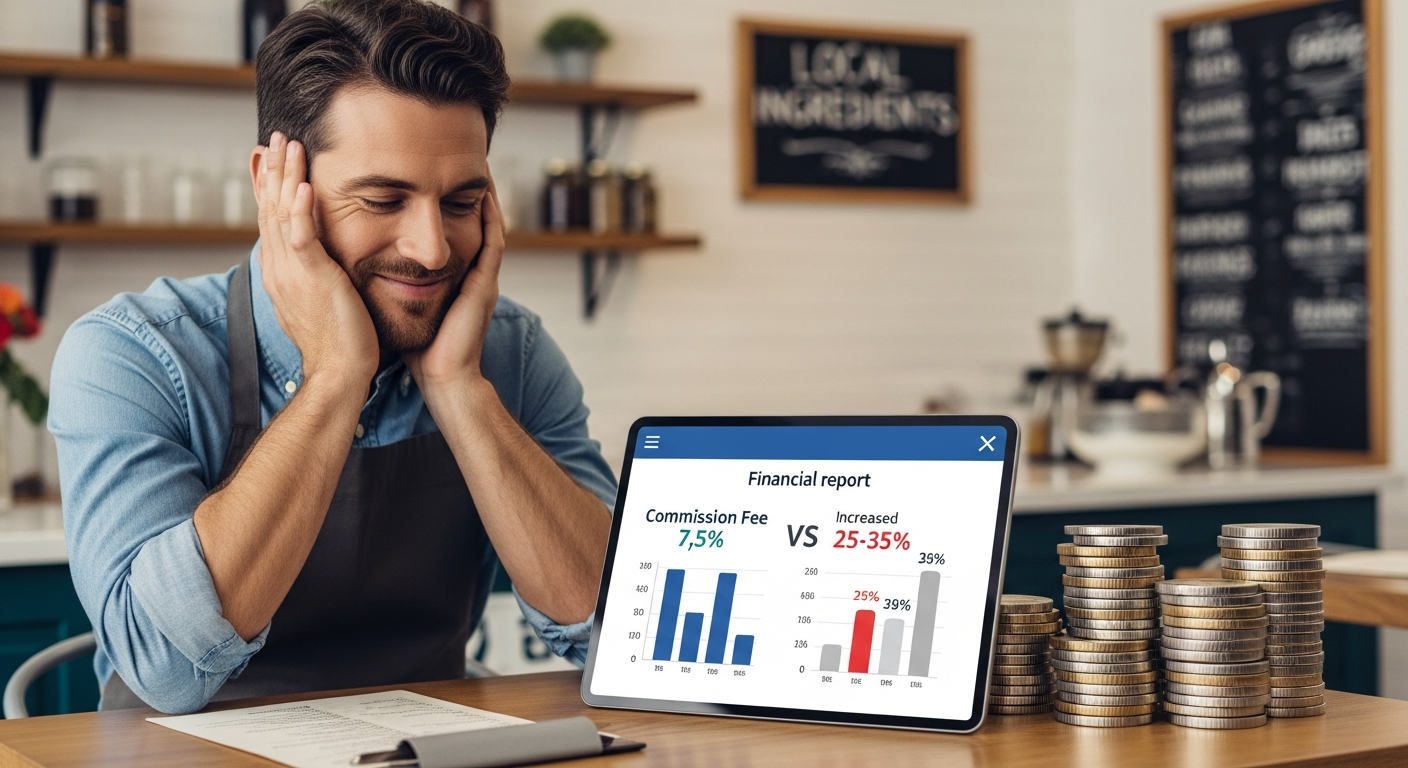
Most UK venues today hand over between 20% and 35% of every order that comes through the big marketplaces. On paper that sounds like the price of visibility. In practice, it often means the app earns more from your food than you do.
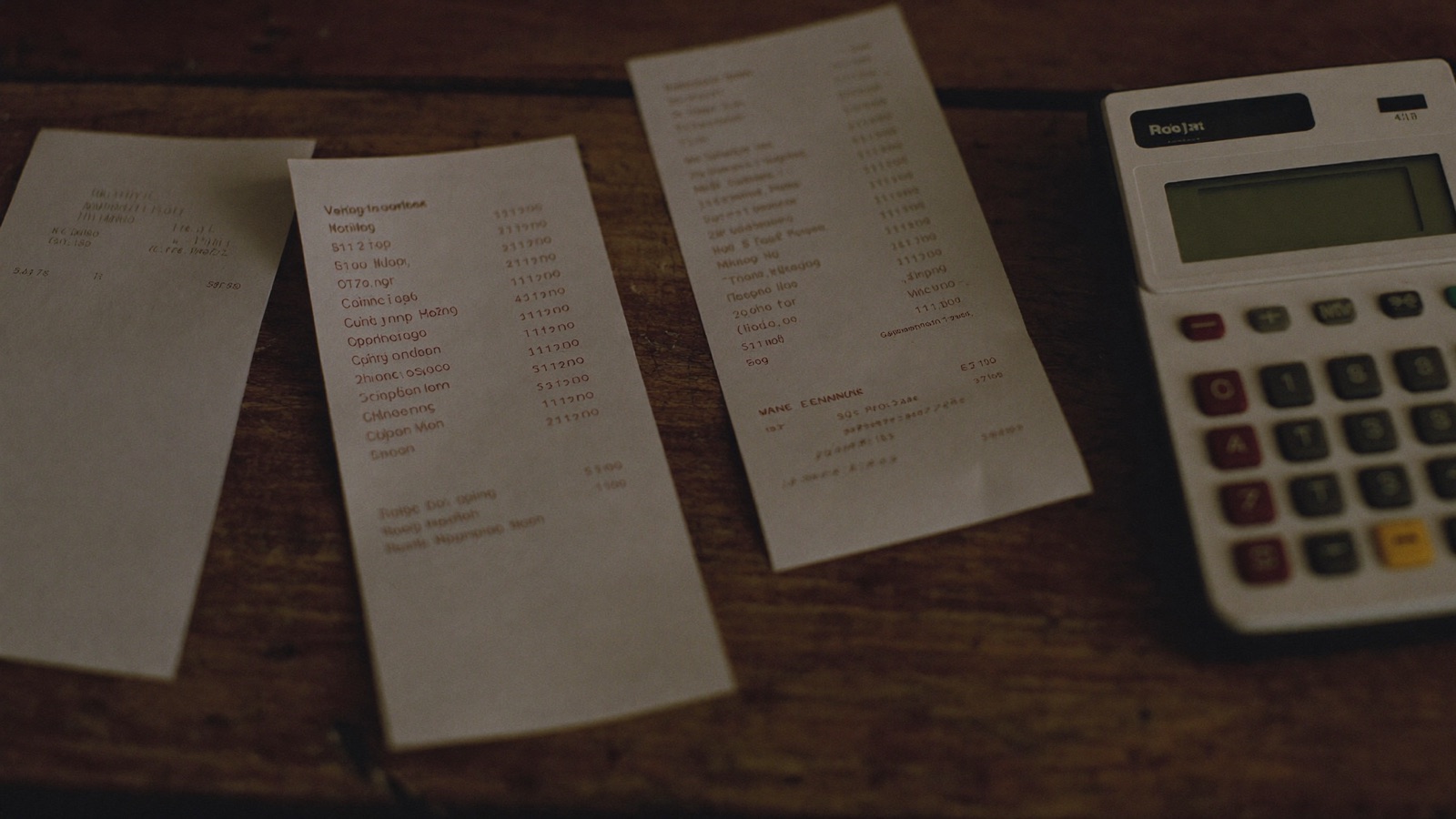
What a £20 Order Really Pays You
Picture a typical £20 takeaway order on a full-service delivery marketplace:
Commission at 30% takes £6 straight away
Food costs sit around £7 for a £20 basket
Packaging adds another £1
That leaves roughly £6 before rent, utilities, wages or a single minute of your time
Add a paid promotion or a discount campaign, which the platforms actively encourage, and plenty of venues are fulfilling orders that earn them almost nothing. The kitchen is busy, the numbers look healthy on the dashboard, and yet the bank account tells a different story at the end of the month.
The Direct Ordering Playbook
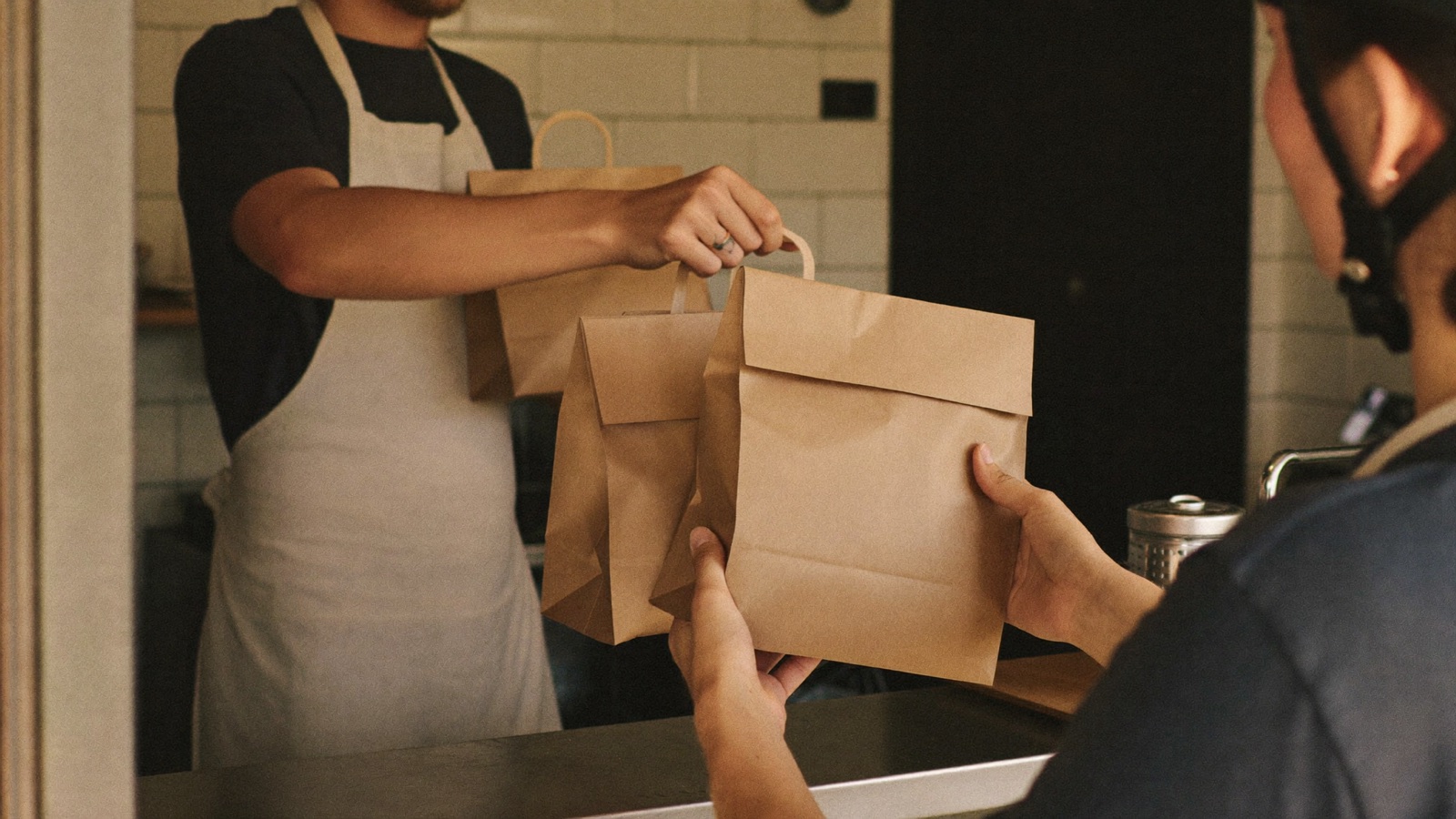
The venues that are quietly winning in 2026 are not the ones shouting the loudest on marketplaces. They are the ones treating those marketplaces as a shop window, and moving as much of their regular trade as possible onto channels they actually control.
1. Treat the big apps as marketing, not infrastructure
A marketplace is brilliant at one thing: putting your venue in front of people who have never heard of you. Use it for that. The mistake is letting it carry your regulars too, because you pay full commission on customers you already own.
2. Give regulars a cheaper way to reach you
Once someone has ordered from you twice, they are no longer a discovery customer. A card in the bag, a note on the receipt, a sign by the till. Every one of them should know there is a way to order that costs you less and often costs them less too.
3. Put ordering on the table, literally
QR ordering at the table or at the bar does two jobs at once. It shortens queues on busy nights, and it keeps the whole transaction inside a channel where the economics work in your favour.
4. Choose platforms with honest economics
Not every platform takes a third of your revenue. Fair-commission platforms have grown precisely because the maths of the big apps stopped adding up for independents. When you compare options, look at the effective rate after every fee, not the headline number.
5. Check your effective rate monthly
Commission, service fees, promotion costs, refunds. Add them all up and divide by your delivery revenue. Many owners who do this for the first time discover their real rate is five to ten points higher than the one they signed up to.
Where Quikin Fits
This is exactly the problem Quikin was built to solve. We charge venues a simple 7.5% commission. No hidden service charges stacked on top, no pay-to-play ranking games, no pressure to fund discounts out of your own margin. On that same £20 order, the difference between 30% and 7.5% is £4.50 that stays in your business. Multiply that across a busy weekend and it is the difference between treading water and actually growing.
Your food, your customers, your margin. The platform should be the smallest part of that equation, not the biggest.
FAQs
1. What commission do delivery apps charge UK restaurants in 2026?
Most large marketplaces charge between 20% and 35% per order for full delivery service, before service fees and optional promotion costs are added.
2. Is it worth leaving the big delivery apps completely?
Usually not. They remain a powerful discovery channel. The smarter approach is to use them for new customers while steering repeat customers to lower-cost direct channels.
3. How do I calculate my real commission rate?
Add together commission, service fees, promotion spend and charge-backs for a month, then divide by your total delivery revenue for the same period. That effective rate is the number that matters.
4. What does Quikin charge venues?
Quikin charges a flat 7.5% commission, with no hidden fees for customers and no forced promotional spend for venues.
5. Does QR table ordering really increase revenue?
Venues typically see faster table turnover and larger average orders, because guests can order a second round the moment they want one instead of waiting to catch someone's eye.